
Understanding What Causes Stress Fractures

A stress fracture is a tiny crack in a bone caused by repeated pressure. In the foot, these injuries often affect the long bones that connect the toes to the middle of the foot. These bones absorb force when you push while walking or running. Pain usually begins gradually and becomes stronger with activity. The sore area may feel tender when touched. Swelling of the foot or bruising can develop. Unlike a sudden break caused by an accident, a stress fracture can develop without one clear injury. Daily movement may become painful.

A sudden change in activity is a leading cause of stress fractures. Running farther than usual or increasing exercise days can place more pressure on bones than they can handle. People who rarely walk far can also develop an injury after a busy vacation. Uneven ground adds to the risk. Changes in how the foot moves can increase risk when a bunion changes weight distribution. Shoes that lack proper support can also affect how the foot absorbs impact. A podiatrist can examine your walking pattern and identify factors contributing to the injury.

Treatment aims to protect the injured bone while it heals. A podiatrist examines the painful area and orders imaging to help confirm a stress fracture. Treatment options include a protective walking boot, crutches, or custom shoe inserts to help reduce pressure on the affected bone. A podiatrist also evaluates your shoes and may recommend a stiff-soled design that limits painful bending. Follow-up visits help track healing and guide a safe return to activity. Continuing to push through pain can delay recovery. If you have symptoms of a foot stress fracture, it is suggested that you schedule an appointment with a podiatrist for diagnosis and treatment.

Stress fractures occur when there is a tiny crack within a bone. To learn more, contact Amir Shalev, DPM from Complete Foot & Ankle Care. Our doctor can provide the care you need to keep you pain free and on your feet.

How Are They Caused?

Stress fractures are the result of repetitive force being placed on the bone. Since the lower leg and feet often carry most of the body’s weight, stress fractures are likely to occur in these areas. If you rush into a new exercise, you are more likely to develop a stress fracture since you are starting too much, too soon.  Pain resulting from stress fractures may go unnoticed at first, however it may start to worsen over time.

Risk Factors

  • Gender – They are more commonly found in women compared to men.
  • Foot Problems – People with unusual arches in their feet are more likely to develop stress fractures.
  • Certain Sports – Dancers, gymnasts, tennis players, runners, and basketball players are more likely to develop stress fractures.
  • Lack of Nutrients – A lack of vitamin D and calcium may weaken the bones and make you more prone to stress fractures
  • Weak Bones – Osteoporosis can weaken the bones therefore resulting in stress fractures

Stress fractures do not always heal properly, so it is important that you seek help from a podiatrist if you suspect you may have one. Ignoring your stress fracture may cause it to worsen, and you may develop chronic pain as well as additional fractures.

If you have any questions please contact our office located in Las Vegas, NV . We offer the newest diagnostic and treatment technologies for all your foot and ankle needs.

Read more about Dealing with Stress Fractures of the Foot and Ankle

Common Ankle Injuries in Skateboarding and How to Prevent Them

Ankle injuries are common in skateboarding as the result of quick direction changes, jumps, and sudden landings. One frequent injury is an ankle sprain, which occurs when ligaments that support the ankle stretch or tear. Inversion sprains happen when the foot rolls inward, placing stress on the outer ankle ligaments, and eversion sprains occur when the foot rolls outward and strain the inner ligaments. Sprains are also classified by severity. A Grade I sprain involves mild ligament stretching, while a Grade II sprain includes partial ligament tearing. A Grade III sprain involves a complete ligament tear and significant instability. Risk factors include uneven landings, improper footwear, and previous injuries. A podiatrist can evaluate ankle stability and guide recovery. If you enjoy skateboarding and have injured your ankle, it is suggested that you consult a podiatrist who can offer effective relief and treatment solutions.

Sports related foot and ankle injuries require proper treatment before players can go back to their regular routines. For more information, contact Amir Shalev, DPM of Complete Foot & Ankle Care. Our doctor can provide the care you need to keep you pain-free and on your feet.

Sports Related Foot and Ankle Injuries

Foot and ankle injuries are a common occurrence when it comes to athletes of any sport. While many athletes dismiss the initial aches and pains, the truth is that ignoring potential foot and ankle injuries can lead to serious problems. As athletes continue to place pressure and strain the area further, a mild injury can turn into something as serious as a rupture and may lead to a permanent disability. There are many factors that contribute to sports related foot and ankle injuries, which include failure to warm up properly, not providing support or wearing bad footwear. Common injuries and conditions athletes face, including:

  • Plantar Fasciitis
  • Achilles Tendinitis
  • Achilles Tendon Rupture
  • Ankle Sprains

Sports related injuries are commonly treated using the RICE method. This includes rest, applying ice to the injured area, compression and elevating the ankle. More serious sprains and injuries may require surgery, which could include arthroscopic and reconstructive surgery. Rehabilitation and therapy may also be required in order to get any recovering athlete to become fully functional again. Any unusual aches and pains an athlete sustains must be evaluated by a licensed, reputable medical professional.

If you have any questions please contact our office located in Las Vegas, NV . We offer the newest diagnostic and treatment technologies for all your foot and ankle needs.
Read more about Sports Related Foot And Ankle Injuries

Do Your Child's Feet Hurt?

Have your child's feet been examined lately? Healthy feet are happy feet. If your child is complaining of foot pain, it may be a sign of underlying problems.

Ankle Sprains Explained

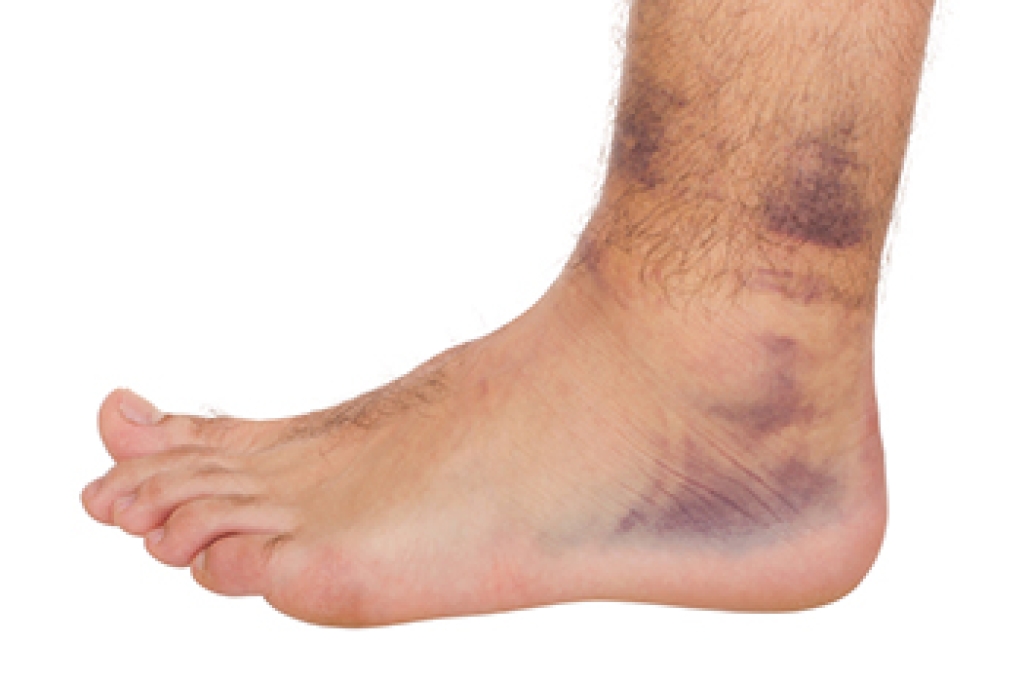
An ankle sprain occurs when the ligaments that support the ankle are stretched or torn. This commonly happens when the foot rolls outward or inward, causing the ankle to twist beyond its normal range. Ankle sprains can happen during exercise, walking on uneven ground, or stepping awkwardly. Symptoms include pain, swelling, and difficulty putting weight on the foot. Some people also notice weakness or a feeling that the ankle may give way.

Several factors can increase the risk of an ankle sprain. Previous ankle injuries can make the joint less stable, while poor balance can make an awkward step more likely. Uneven surfaces, wearing improper footwear, and quick direction changes can also contribute. A podiatrist can evaluate the ankle and determine the severity of the injury. Treatment may include rest, compression, and recommendations for activity changes.


Ankle sprains are commonly classified into three grades. A grade 1 sprain involves mild stretching or microscopic ligament damage and usually causes limited swelling and tenderness. Healing may take about one to two weeks. A grade 2 sprain involves a partial ligament tear and can cause swelling, bruising, and difficulty walking. Recovery may take several weeks. A grade 3 sprain involves a complete ligament tear and may cause significant pain, instability, and difficulty bearing weight. Healing can take several weeks to months, depending on the injury and treatment.


A podiatrist may use a physical examination and imaging tests to check for a fracture or other problem. The treatment plan may include a brace or walking boot for protection, followed by a gradual return to activity as the ankle heals. Proper support can help reduce reinjury risk. If you have sprained your ankle, it is suggested that you consult a podiatrist for effective relief and treatment solutions.

Ankle sprains are common but need immediate attention. If you need your feet checked, contact Amir Shalev, DPM from Complete Foot & Ankle Care. Our doctor can provide the care you need to keep you pain-free and on your feet.

How Does an Ankle Sprain Occur?

Ankle sprains take place when the ligaments in your ankle are torn or stretched beyond their limits. There are multiple ways that the ankle can become injured, including twisting or rolling over onto your ankle, putting undue stress on it, or causing trauma to the ankle itself.

What Are the Symptoms?

  • Mild to moderate bruising
  • Limited mobility
  • Swelling
  • Discoloration of the skin (depending on severity)

Preventing a Sprain

  • Wearing appropriate shoes for the occasion
  • Stretching before exercises and sports
  • Knowing your limits

Treatment of a Sprain

Treatment of a sprain depends on the severity.  Many times, people are told to rest and remain off their feet completely, while others are given an air cast. If the sprain is very severe, surgery may be required.

If you have suffered an ankle sprain previously, you may want to consider additional support such as a brace and regular exercises to strengthen the ankle.

If you have any questions please feel free to contact our office located in Las Vegas, NV . We offer the newest diagnostic tools and technology to treat your foot and ankle needs.

Read more about Three Grades of Ankle Sprains

Burning Feet and What the Sensation May Mean

Burning on the bottom of the feet can feel like heat, pins and needles, or prickling. This sensation is often called paresthesia and may develop after activity. Symptoms can range from mild irritation to discomfort that affects walking. Common causes include nerve irritation, fungal infections, and forefoot pressure. Risk factors include diabetes, excessive sweating, and standing. Identifying the cause is important because burning feet can require different treatments.

A fungal infection can cause burning when irritated skin develops between the toes. Other symptoms may include itching, scaling, and cracking. Peripheral neuropathy affects nerves that carry signals between the feet and brain. It may cause burning, numbness, or sensitivity. Diabetes is an important risk factor. Morton’s neuroma involves irritation of a nerve between the toes. It may cause burning pain, tingling, or a pebble-like feeling inside the shoe. Tight shoes and forefoot pressure can increase risk.


A podiatrist begins by reviewing your symptoms, health history, and footwear. The feet may be examined for skin changes, nerve sensitivity, and pressure points. Testing may be recommended when symptoms suggest neuropathy or another underlying condition. Treatment depends on the cause and may include antifungal medication, footwear changes, or medication recommendations for nerve discomfort. A podiatrist may monitor healing and address contributing foot problems to reduce irritation and protect healthy skin.


Burning feet should not be ignored when symptoms persist, worsen, or interfere with daily activities. Early evaluation can help identify the cause. Keeping feet clean and dry, choosing properly fitted shoes, and checking the skin regularly can support foot health. Many causes can be managed effectively and safely with proper treatment. If you have a burning sensation on the bottom of your feet, it is suggested that you consult a podiatrist for an accurate diagnosis and appropriate treatment.

Foot Pain

Foot pain can be extremely painful and debilitating. If you have a foot pain, consult with Amir Shalev, DPM from Complete Foot & Ankle Care. Our doctor will assess your condition and provide you with quality foot and ankle treatment.

Causes

Foot pain is a very broad condition that could be caused by one or more ailments. The most common include:

  • Bunions
  • Hammertoes
  • Plantar Fasciitis
  • Bone Spurs
  • Corns
  • Tarsal Tunnel Syndrome
  • Ingrown Toenails
  • Arthritis (such as Gout, Rheumatoid, and Osteoarthritis)
  • Flat Feet
  • Injury (from stress fractures, broken toe, foot, ankle, Achilles tendon ruptures, and sprains)
  • And more

Diagnosis

To figure out the cause of foot pain, podiatrists utilize several different methods. This can range from simple visual inspections and sensation tests to X-rays and MRI scans. Prior medical history, family medical history, and any recent physical traumatic events will all be taken into consideration for a proper diagnosis.

Treatment

Treatment depends upon the cause of the foot pain. Whether it is resting, staying off the foot, or having surgery; podiatrists have a number of treatment options available for foot pain.

If you have any questions, please feel free to contact our office located in Las Vegas, NV . We offer the newest diagnostic and treatment technologies for all your foot care needs.

Read more about Foot Pain