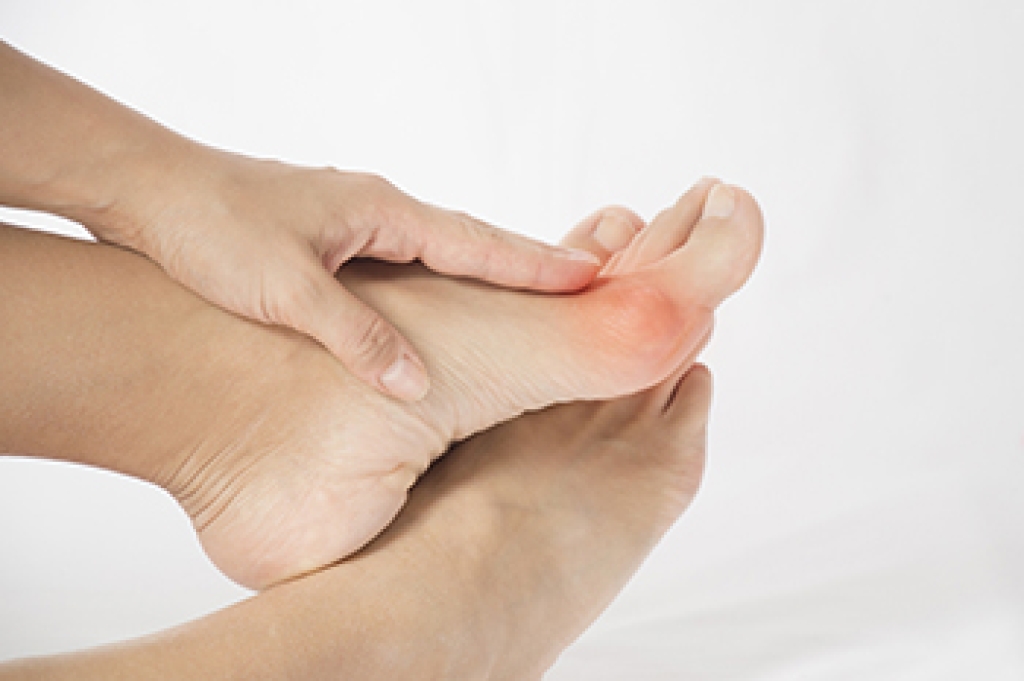
Juvenile Bunions and Early Signs to Watch

Bunions in children are a foot condition in which the big toe shifts inward toward the second toe, creating a visible bump along the base of the joint. While bunions are more often associated with adults, this condition can appear as early as 10 years old. In younger patients, the deformity is typically more flexible, but may progress if not properly monitored. Early recognition is important because developing bones and joints are more responsive to intervention, which can help slow or manage progression.

Symptoms of juvenile bunions include a noticeable bump on the side of the foot, redness, swelling, and discomfort when wearing shoes. Some children may report pain during physical activity or after long periods of standing. In certain cases, the big toe may overlap or crowd the neighboring toes, affecting alignment and balance. Parents may also observe changes in gait or complaints of pressure in the forefoot. Although some children experience minimal discomfort, the visual deformity and gradual progression can still impact long-term foot health.


Risk factors for juvenile bunions often include genetics, particularly when the condition is inherited through the maternal side of the family. Structural factors like flat feet, ligament laxity, and abnormal foot mechanics can also contribute to bunion development. Footwear choices that place pressure on the toes may worsen symptoms, although they are not always the primary cause in children. Rapid growth phases can further influence how the foot structure changes, making monitoring during development especially important.


It is important to understand that juvenile bunions require attention even when symptoms are mild, as early management can help prevent worsening deformity. Wearing supportive footwear, activity modifications, and proper evaluation can make a significant difference in comfort and function. If your child has a bunion or shows signs of toe misalignment, it is suggested that you consult a podiatrist for an accurate diagnosis and appropriate treatment.

Making sure that your children maintain good foot health is very important as they grow. If you have any questions, contact Amir Shalev, DPM of Complete Foot & Ankle Care. Our doctor can provide the care you need to keep you pain-free and on your feet.

Keeping Children's Feet Healthy

Having healthy feet during childhood can help prevent medical problems later in life, namely in the back and legs. As children grow, their feet require different types of care. Here are some things to consider...

Although babies do not walk yet, it is still very important to take care of their feet.

Avoid putting tight shoes or socks on his or her feet.

Allow the baby to stretch and kick his or her feet to feel comfortable.

As a toddler, kids are now on the move and begin to develop differently. At this age, toddlers are getting a feel for walking, so don’t be alarmed if your toddler is unsteady or ‘walks funny’. 

As your child gets older, it is important to teach them how to take care of their feet.

Show them proper hygiene to prevent infections such as fungus.

Be watchful for any pain or injury.

Have all injuries checked by a doctor as soon as possible.

Comfortable, protective shoes should always be worn, especially at play.

If you have any questions, please feel free to contact our office located in Las Vegas, NV . We offer the newest diagnostic and treatment technologies for all your foot care needs.

Read more about What to Do to Keep Your Child’s Feet Healthy

When Shoes Do Not Fit Right

Wearing the wrong size shoes can lead to several painful foot conditions that develop over time. Blisters are small fluid-filled pockets that form from friction when shoes rub against the skin. Bunions appear as a bony bump at the base of the big toe, often caused by tight footwear that pushes the toe out of place. Additionally, hammertoes occur when the smaller toes bend unnaturally due to crowding inside the shoe. These problems may start with mild discomfort, but can worsen into chronic pain and difficulty walking. Poor shoe fit, narrow toe boxes, and long periods on your feet increase risk. A podiatrist can evaluate foot structure, diagnose these conditions, and guide proper shoe fitting to prevent further damage. If you have foot pain from wearing shoes that do fit right, it is suggested that you consult a podiatrist who can offer effective relief tips and guidance on how to find the right shoe size.

Finding a properly-fitting shoe is important in reducing injuries and preventing foot problems. For more information about treatment, contact Amir Shalev, DPM from Complete Foot & Ankle Care. Our doctor will treat your foot and ankle needs.

Proper Shoe Fitting

A common concern when it comes to foot health, having properly fitted shoes can help prevent injuries to the foot. Out feet affect our posture and gait, which in turn affects the biomechanics and overall bodily structure. With 33 joints, 26 bones, and over 100 ligaments, the potential for serious injury is much greater than one realizes. Although the feet cease growth in adulthood, they still change shape as they mature. Here are some factors to consider when it comes to investing in proper fitting shoes:

  • Be sure the shoes fit correctly right away
  • Ensure the ball of your foot fits comfortably in the widest portion of the shoes
  • Even though they may look fashionable, improper fitting shoes can either create adverse conditions or exacerbate existing ones you may already have
  • Walk along a carpeted surface to ensure the shoes comfortably fit during normal activity

Keeping in mind how shoes fit the biomechanics of your body, properly-fitting shoes are vitally important. Fortunately, it is not difficult to acquire footwear that fits correctly. Be sure to wear shoes that support the overall structure of your body. Do your feet a favor and invest in several pairs of well-fitted shoes today.

If you have any questions, please feel free to contact our office located in Las Vegas, NV . We offer the newest diagnostic and treatment technologies for all your foot care needs.
Read more about Getting the Right Shoe Size: To Keep Your Feet Happy

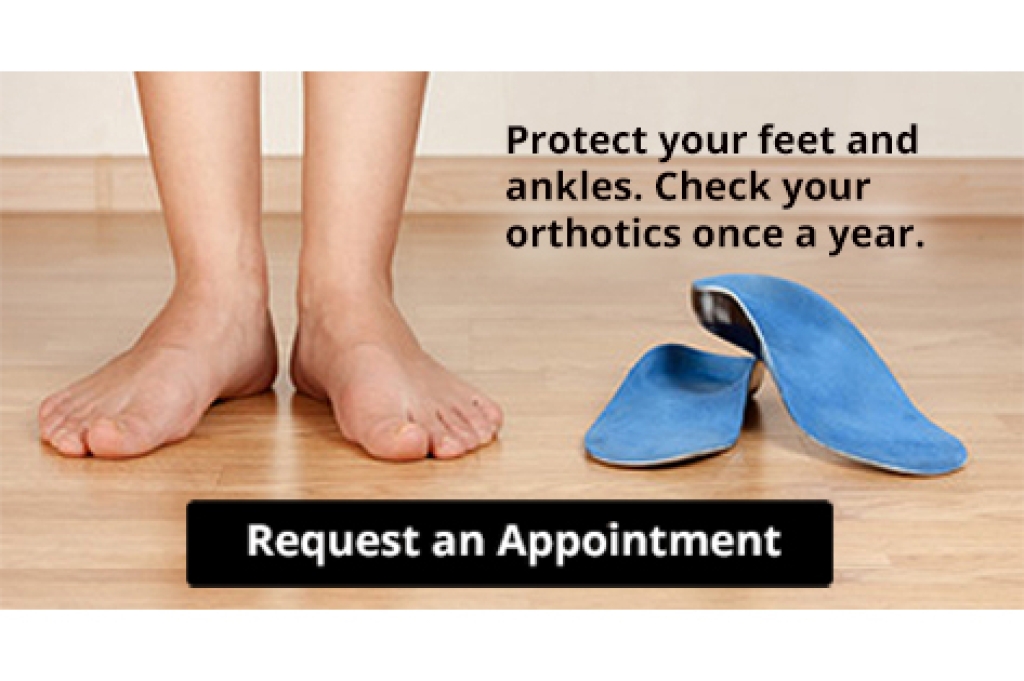
Reminder: When Was the Last Time...?

Custom orthotics, or shoe inserts, should be periodically replaced. Orthotics must fit properly to give you the best results. Protect your feet and ankles!

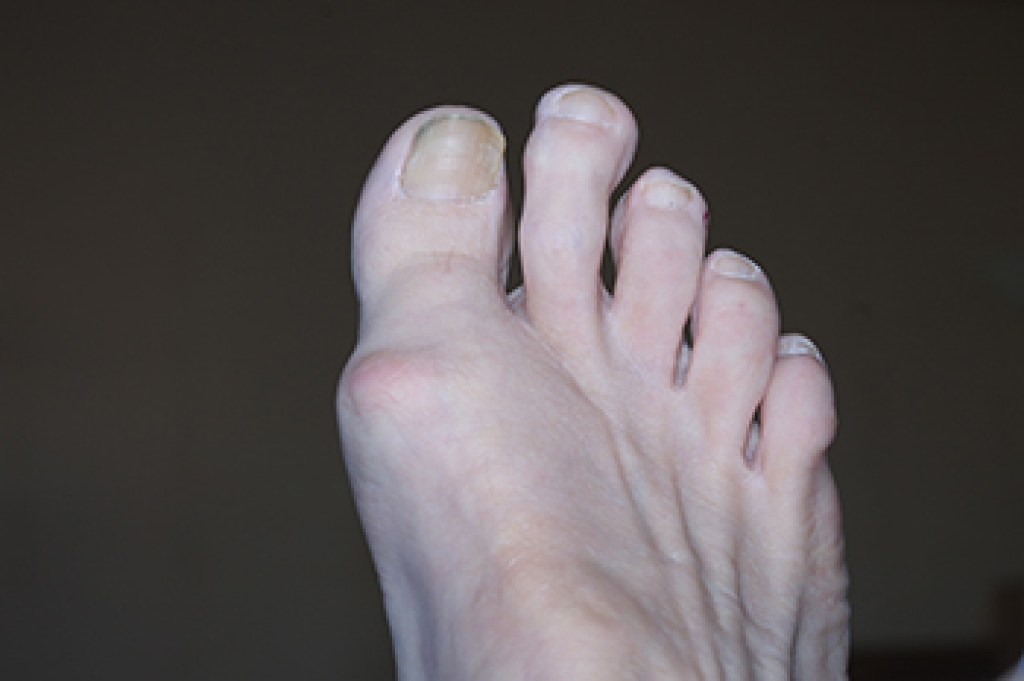
Understanding Morton's Toe

Morton's toe is a structural condition where the second toe appears longer than the big toe, due to a shorter first metatarsal bone. It is not the same as Morton's neuroma, which involves nerve irritation. Morton's toe can lead to uneven weight distribution during walking, often causing pain under the ball of the foot or near the second toe. Some people notice callus formation, soreness, or fatigue after standing for long periods. It develops naturally based on foot structure and may become more noticeable with certain footwear or activity levels. A podiatrist can evaluate foot alignment, identify pressure points, and provide treatment options to improve balance and reduce strain. Care focuses on proper support and long-term comfort. If you have this condition, it is suggested that you consult a podiatrist who can offer relief and management tips.

Foot Pain

Foot pain can be extremely painful and debilitating. If you have a foot pain, consult with Amir Shalev, DPM from Complete Foot & Ankle Care. Our doctor will assess your condition and provide you with quality foot and ankle treatment.

Causes

Foot pain is a very broad condition that could be caused by one or more ailments. The most common include:

  • Bunions
  • Hammertoes
  • Plantar Fasciitis
  • Bone Spurs
  • Corns
  • Tarsal Tunnel Syndrome
  • Ingrown Toenails
  • Arthritis (such as Gout, Rheumatoid, and Osteoarthritis)
  • Flat Feet
  • Injury (from stress fractures, broken toe, foot, ankle, Achilles tendon ruptures, and sprains)
  • And more

Diagnosis

To figure out the cause of foot pain, podiatrists utilize several different methods. This can range from simple visual inspections and sensation tests to X-rays and MRI scans. Prior medical history, family medical history, and any recent physical traumatic events will all be taken into consideration for a proper diagnosis.

Treatment

Treatment depends upon the cause of the foot pain. Whether it is resting, staying off the foot, or having surgery; podiatrists have a number of treatment options available for foot pain.

If you have any questions, please feel free to contact our office located in Las Vegas, NV . We offer the newest diagnostic and treatment technologies for all your foot care needs.
Read more about Foot Pain

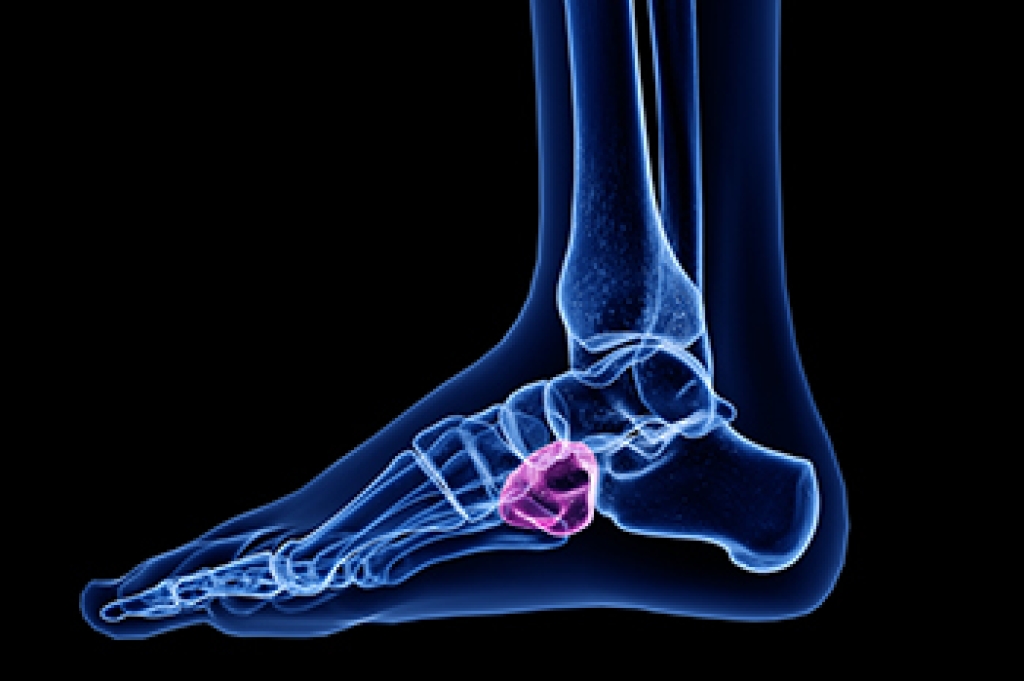
What Leads to Cuboid Syndrome?

Cuboid syndrome occurs when the cuboid bone becomes slightly displaced, often causing pain along the outer side of the foot. It can develop suddenly after an ankle sprain or gradually from repeated strain during activities such as running or jumping. This condition may create a feeling of weakness, soreness, or difficulty bearing weight, especially during push-off while walking. Risk factors include overuse, poor foot mechanics, inadequate footwear, and high impact sports. People with flat feet or unstable ankles may be more prone to this injury. A podiatrist can diagnose the problem through a careful exam, restore proper alignment, and provide treatments that improve function and relieve discomfort.  If you have symptoms of cuboid syndrome, it is suggested that you consult a podiatrist who can accurately diagnose and treat foot pain.

Cuboid syndrome, also known as cuboid subluxation, occurs when the joints and ligaments near the cuboid bone in the foot become torn. If you have cuboid syndrome, consult with Amir Shalev, DPM from Complete Foot & Ankle Care. Our doctor will assess your condition and provide you with quality foot and ankle treatment.

Cuboid syndrome is a common cause of lateral foot pain, which is pain on the outside of the foot. The condition may happen suddenly due to an ankle sprain, or it may develop slowly overtime from repetitive tension through the bone and surrounding structures.

Causes

The most common causes of cuboid syndrome include:

  • Injury – The most common cause of this ailment is an ankle sprain.
  • Repetitive Strain – Tension placed through the peroneus longus muscle from repetitive activities such as jumping and running may cause excessive traction on the bone causing it to sublux.
  • Altered Foot Biomechanics – Most people suffering from cuboid subluxation have flat feet.

Symptoms

A common symptom of cuboid syndrome is pain along the outside of the foot which can be felt in the ankle and toes. This pain may create walking difficulties and may cause those with the condition to walk with a limp.

Diagnosis

Diagnosis of cuboid syndrome is often difficult, and it is often misdiagnosed. X-rays, MRIs and CT scans often fail to properly show the cuboid subluxation. Although there isn’t a specific test used to diagnose cuboid syndrome, your podiatrist will usually check if pain is felt while pressing firmly on the cuboid bone of your foot.

Treatment

Just as the range of causes varies widely, so do treatments. Some more common treatments are ice therapy, rest, exercise, taping, and orthotics.

If you have any questions, please feel free to contact our office located in Las Vegas, NV . We offer the newest diagnostic and treatment technologies for all your foot care needs.

Read more about Cuboid Syndrome

Connect With Us

Advanced Podiatric Procedures & Services in the Clark County, NV: Las Vegas (North Las Vegas, Spring Valley, Sunrise Manor, Paradise, Enterprise, Henderson, Whitney, Winchester, Summerlin South) areas