Blog
Preventing Workplace Falls and Foot Injuries

Workplace falls are a leading cause of injury across many industries and can affect employees in offices, warehouses, restaurants, and construction sites. A fall occurs when a person loses balance due to unsafe conditions or environmental hazards. These incidents often result in sprains, lacerations, contusions, or fractures, particularly involving the feet and ankles. Understanding how falls happen and what increases the risk is essential for prevention and safety. Workplace safety measures play an important role in reducing injury rates and improving overall productivity.
Common symptoms after a fall include pain, swelling, bruising, and limited movement. In more serious cases, fractures or deep cuts may require immediate medical attention. Several risk factors increase the likelihood of falling at work, including poor balance, improper footwear, fatigue, and lack of safety awareness. Employees who stand for long hours or perform repetitive tasks may also face a higher risk of foot and ankle strain, which can contribute to instability and falls.
The most common causes of workplace falls include wet surfaces, uneven flooring, cluttered walkways, and poor lighting. Spills that are not cleaned promptly can create slippery conditions, while loose mats or damaged flooring increase the chance of tripping. Cluttered work areas limit safe movement and reduce visibility of hazards. Inadequate lighting makes it difficult to see obstacles clearly, increasing the likelihood of missteps and injury. These preventable conditions highlight the importance of maintaining a clean and well organized environment.
Preventing workplace falls requires attention to safety practices such as proper housekeeping, wearing supportive shoes, and improving lighting conditions. Employers and employees should work together to identify and correct hazards before injuries occur. Early treatment of foot and ankle injuries can help prevent long-term complications and support faster recovery. If you have sustained a foot or ankle injury from falling at work, it is suggested that you consult a podiatrist for an accurate diagnosis and appropriate treatment.
Preventing falls among the elderly is very important. If you are older and have fallen or fear that you are prone to falling, consult with Amir Shalev, DPM from Complete Foot & Ankle Care. Our doctor will assess your condition and provide you with quality advice and care.
Every 11 seconds, an elderly American is being treated in an emergency room for a fall related injury. Falls are the leading cause of head and hip injuries for those 65 and older. Due to decreases in strength, balance, senses, and lack of awareness, elderly persons are very susceptible to falling. Thankfully, there are a number of things older persons can do to prevent falls.
How to Prevent Falls
Some effective methods that older persons can do to prevent falls include:
- Enrolling in strength and balance exercise program to increase balance and strength
- Periodically having your sight and hearing checked
- Discuss any medications you have with a doctor to see if it increases the risk of falling
- Clearing the house of falling hazards and installing devices like grab bars and railings
- Utilizing a walker or cane
- Wearing shoes that provide good support and cushioning
- Talking to family members about falling and increasing awareness
Falling can be a traumatic and embarrassing experience for elderly persons; this can make them less willing to leave the house, and less willing to talk to someone about their fears of falling. Doing such things, however, will increase the likelihood of tripping or losing one’s balance. Knowing the causes of falling and how to prevent them is the best way to mitigate the risk of serious injury.
If you have any questions, please feel free to contact our office located in Las Vegas, NV . We offer the newest diagnostic and treatment technologies for all your foot care needs.
Broken Toes and Treatment Options

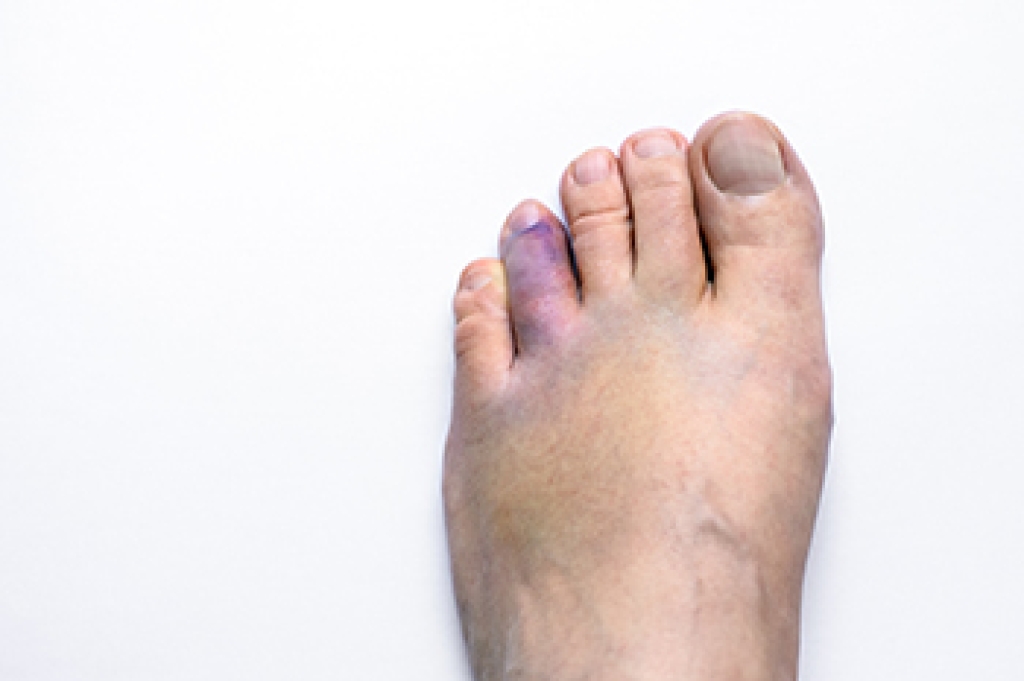
A broken toe can make even simple daily activities uncomfortable because every step places pressure on the injured bone. A toe fracture occurs when one or more of the small bones in a toe break after a direct impact or twisting injury. People frequently injure a toe by stubbing it against a hard object or dropping something heavy on the foot. Pain usually begins immediately and can become worse while walking or standing. Swelling and bruising are also common. Some patients notice that the injured toe appears crooked or is difficult to move. A podiatrist can examine the foot, determine the severity of the injury, and identify whether another condition is causing similar symptoms.
Broken toes vary in severity, and proper diagnosis is important for successful healing. Some fractures remain in normal alignment, while others shift out of position. A displaced fracture means the broken pieces of bone no longer line up correctly. This type of injury can affect the way the toe functions and sometimes changes the way a person walks. A podiatrist performs a thorough examination and usually recommends X-rays to confirm the fracture and determine its exact location. The evaluation also helps to identify injuries to nearby joints, ligaments, or other bones in the foot that can develop at the same time.
Treatment depends on the location of the fracture and whether the bone remains properly aligned. A podiatrist can monitor healing with follow-up examinations and recommend treatment based on the specific injury. Some fractures require realignment to place the bones in their proper position. More severe injuries sometimes require surgery to restore stability and improve healing. Patients also benefit from guidance about wearing shoes that provide proper support while recovering from the injury. Early diagnosis and podiatric care can improve comfort, protect foot function, and reduce the chance of long-term complications. If you have broken a toe, it is suggested that you schedule an appointment with a podiatrist for appropriate treatment and management solutions.
A broken toe can be very painful and lead to complications if not properly fixed. If you have any concerns about your feet, contact Amir Shalev, DPM from Complete Foot & Ankle Care. Our doctor will treat your foot and ankle needs.
What to Know About a Broken Toe
Although most people try to avoid foot trauma such as banging, stubbing, or dropping heavy objects on their feet, the unfortunate fact is that it is a common occurrence. Given the fact that toes are positioned in front of the feet, they typically sustain the brunt of such trauma. When trauma occurs to a toe, the result can be a painful break (fracture).
Symptoms of a Broken Toe
- Throbbing pain
- Swelling
- Bruising on the skin and toenail
- The inability to move the toe
- Toe appears crooked or disfigured
- Tingling or numbness in the toe
Generally, it is best to stay off of the injured toe with the affected foot elevated.
Severe toe fractures may be treated with a splint, cast, and in some cases, minor surgery. Due to its position and the pressure it endures with daily activity, future complications can occur if the big toe is not properly treated.
If you have any questions, please feel free to contact our office located in Las Vegas, NV . We offer the newest diagnostic and treatment technologies for all your foot care needs.