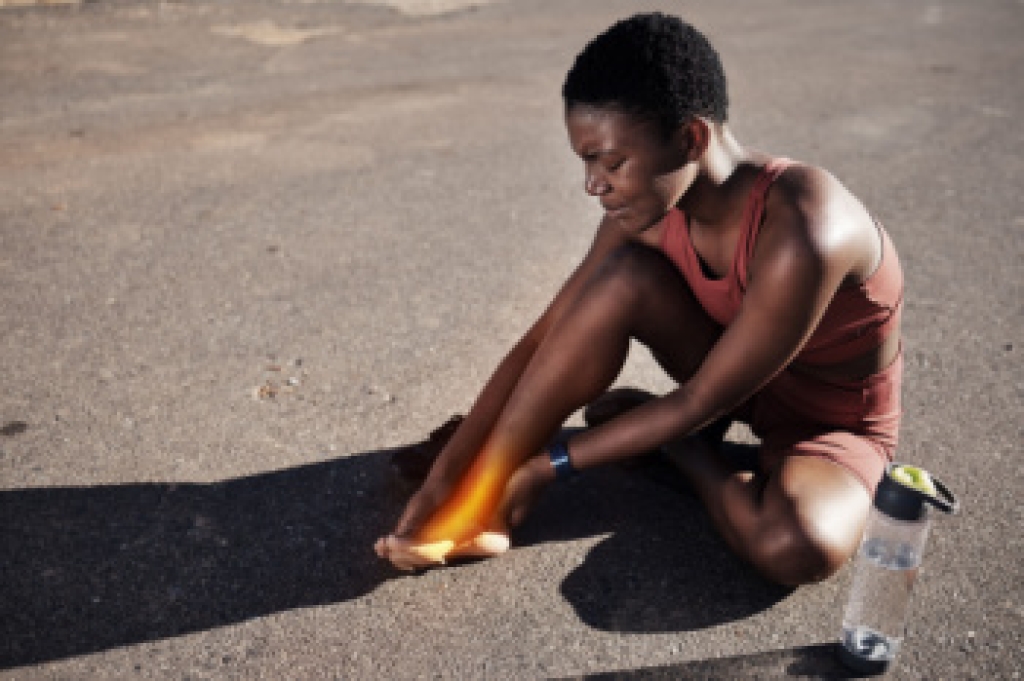
Foot and Ankle Stress Fractures Facts

Repeated pressure on the feet and ankles can create tiny cracks in a bone called stress fractures. They differ from breaks caused by one sudden injury. Stress fractures develop when a bone cannot recover from repeated force. Runners, dancers, and athletes who suddenly increase training face a greater risk. People who spend long hours standing or walking can also be affected. Bones weakened by low bone density are more vulnerable. Stress fractures frequently occur in weight-bearing bones of the foot and lower leg. Pain usually begins in one spot and worsens with activity. Swelling and tenderness can develop near the injured bone.

Ignoring these symptoms can allow a small crack to worsen. Patients may begin to limp or have pain during daily activities. A podiatrist will ask about exercise, work demands, and changes in activity. The examination includes checking the area for swelling, tenderness, and changes in movement. X-rays may not show a stress fracture because the crack can be too small. An MRI scan or other imaging test can provide a clearer view. The podiatrist also looks for factors that place extra stress on the bone. These include foot structure, an uneven walking pattern, or shoes that lack proper support.

Treatment protects the bone so it can heal. A podiatrist may recommend a walking boot, a stiff-soled shoe, or crutches to reduce pressure. The choice depends on the fracture's location and severity. The podiatrist can explain which activities to limit and when a return is safe. Custom orthotics may improve pressure distribution and lower the risk of injury. Surgery may be needed when a fracture is unstable, has shifted, or is not healing. Follow-up visits help track healing and guide treatment changes. Returning to exercise too soon can reopen the crack or cause a complete break. If you have symptoms of a foot or ankle stress fracture, it is suggested that you schedule an appointment with a podiatrist for a diagnosis and appropriate treatment.

Activities where too much pressure is put on the feet can cause stress fractures. To learn more, contact Amir Shalev, DPM from Complete Foot & Ankle Care. Our doctor can provide the care you need to keep your pain free and on your feet.

Dealing with Stress Fractures of the Foot and Ankle

Stress fractures occur in the foot and ankle when muscles in these areas weaken from too much or too little use.  The feet and ankles then lose support when walking or running from the impact of the ground. Since there is no protection, the bones receive the full impact of each step. Stress on the feet can cause cracks to form in the bones, thus creating stress fractures.

What Are Stress Fractures?

Stress fractures occur frequently in individuals whose daily activities cause great impact on the feet and ankles. Stress factors are most common among:

  • Runners                                
  • People affected with Osteoporosis
  • Tennis or basketball players
  • Gymnasts
  • High impact workouts

Symptoms

Pain from the fractures occur in the area of the fractures and can be constant or intermittent. It will often cause sharp or dull pain with swelling and tenderness. Engaging in any kind of activity which involves high impact will aggravate pain.

If you have any questions please contact our office located in Las Vegas, NV . We offer the newest diagnostic and treatment technologies for all your foot and ankle needs.

Read more about Stress Fractures of the Foot and Ankle

What Causes Toenail Fungus and How Is It Treated?

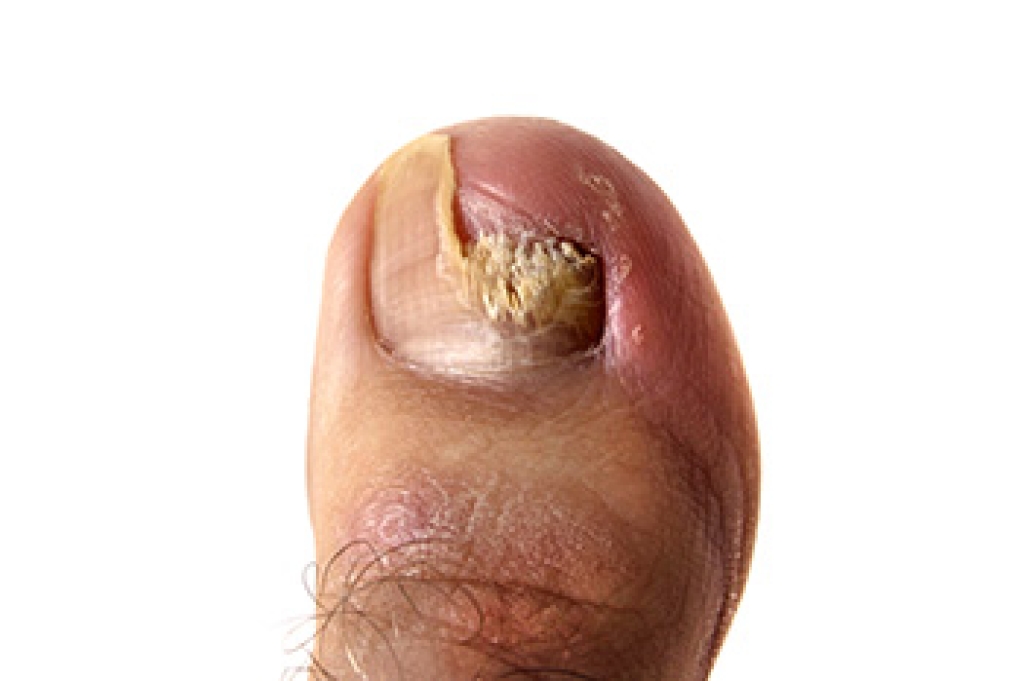
Toenails are affected more frequently than fingernails by fungus. The infection can cause a nail to become thick, discolored, or misshapen. It can also make the nail brittle or cause it to separate from the nail bed. Fungi grow well in warm, moist environments. Public showers, pool decks, and similar areas can expose feet to organisms that cause fungal infections.

Several factors can increase the risk of toenail fungus. Aging, diabetes, and athlete’s foot are linked with greater risk. Repeated minor injury to the nail can also allow fungi to enter. The infection frequently affects one or both big toenails and can take a long time to clear because toenails grow slowly. Not every abnormal-looking nail has a fungal infection. Nail changes can result from other conditions, which makes an accurate diagnosis important before treatment begins. Advanced infections can cause pain and damage to the nail.

A podiatrist can examine a discolored or thickened toenail and determine whether fungus is responsible. Testing a nail sample can help confirm the diagnosis because appearance alone is not always reliable. Treatment depends on the severity of the infection. Prescription antifungal medication can be applied to the nail or taken by mouth. A podiatrist can also thin and trim an affected nail to reduce pressure and support treatment. Patients with diabetes or poor circulation require careful attention because severe infections can lead to sores or additional infection. Toenail fungus can return after successful treatment, so follow-up care can help monitor the nail as healthy growth appears. If you have symptoms of toenail fungus, it is suggested that you schedule an appointment with a podiatrist for a diagnosis and appropriate treatment, which may include prescribed medication.

If left untreated, toenail fungus may spread to other toenails, skin, or even fingernails. If you suspect you have toenail fungus it is important to seek treatment right away. For more information about treatment, contact Amir Shalev, DPM of Complete Foot & Ankle Care. Our doctor can provide the care you need to keep you pain-free and on your feet.

Symptoms

  • Warped or oddly shaped nails
  • Yellowish nails
  • Loose/separated nail
  • Buildup of bits and pieces of nail fragments under the nail
  • Brittle, broken, thickened nail

Treatment

If self-care strategies and over-the-counter medications does not help your fungus, your podiatrist may give you a prescription drug instead. Even if you find relief from your toenail fungus symptoms, you may experience a repeat infection in the future.

Prevention

In order to prevent getting toenail fungus in the future, you should always make sure to wash your feet with soap and water. After washing, it is important to dry your feet thoroughly especially in between the toes. When trimming your toenails, be sure to trim straight across instead of in a rounded shape. It is crucial not to cover up discolored nails with nail polish because that will prevent your nail from being able to “breathe”.

In some cases, surgical procedure may be needed to remove the toenail fungus. Consult with your podiatrist about the best treatment options for your case of toenail fungus.  

If you have any questions please contact our office located in Las Vegas, NV . We offer the newest diagnostic and treatment technologies for all your foot and ankle needs.

Read more about Treating Toenail Fungus

Wounds That Don't Heal Need to Be Checked

Your feet are covered most of the day. If you're diabetic, periodic screening is important for good health. Numbness is often a sign of diabetic foot and can mask a sore or wound.

Daily Exercises Can Help Improve Foot Flexibility

Foot exercises can help keep the feet flexible, mobile, and prepared for daily activities. Gentle strengthening and stretching may decrease inflammation associated with stiffness and overuse while enhancing blood flow to the feet. Improved mobility can make walking and other weight-bearing activities more comfortable. However, exercises should match the person’s condition. Persistent or worsening symptoms should not be ignored, particularly when pain, swelling, or weakness affects normal movement.

One useful option is the towel stretch. Sit on the floor with one leg extended comfortably. Place a towel around the ball of the foot and hold both ends. Gently pull the towel toward your body until you feel a mild stretch along the calf and bottom of the foot. Hold briefly before slowly releasing. The movement should remain comfortable. A podiatrist can recommend how often to perform this exercise based on your flexibility and symptoms.


Another option is the kneeling foot stretch. Kneel on a padded surface with your toes tucked beneath your feet. Gradually sit back toward your heels until you feel a gentle stretch through the toes and soles. Hold briefly and return to a comfortable position, but do not force the movement. Common causes of foot discomfort include repetitive stress, injuries, and poorly fitting footwear. Risk factors may include high activity levels, previous injuries, and sudden increases in exercise.


A podiatrist can determine whether stretching exercises are appropriate by evaluating your symptoms, flexibility, and movement. Treatment may include exercise guidance, supportive footwear, and activity changes. Follow-up care can help track progress and modify exercises as needed. Proper technique is important because stretching through pain may worsen an existing problem. If you have foot pain or difficulty moving comfortably, it is suggested that you consult a podiatrist for an accurate diagnosis and appropriate treatment, in addition to guidance on effective foot stretches.

Exercising your feet regularly with the proper foot wear is a great way to prevent injuries and build strength. If you have any concerns about your feet, contact Amir Shalev, DPM from Complete Foot & Ankle Care. Our doctor can provide the care you need to keep you pain-free and on your feet.

Exercise for Your Feet

Exercise for your feet can help you gain strength, mobility and flexibility in your feet. They say that strengthening your feet can be just as rewarding as strengthening another part of the body. Your feet are very important, and we often forget about them in our daily tasks. But it is because of our feet that are we able to get going and do what we need to. For those of us fortunate enough to not have any foot problems, it is an important gesture to take care of them to ensure good health in the long run.

Some foot health exercises can include ankle pumps, tip-toeing, toe rises, lifting off the floor doing reps and sets, and flexing the toes. It is best to speak with Our doctor to determine an appropriate regimen for your needs. Everyone’s needs and bodies are different, and the activities required to maintain strength in the feet vary from individual to individual. 

Once you get into a routine of doing regular exercise, you may notice a difference in your feet and how strong they may become.

If you have any questions, please feel free to contact our office located in Las Vegas, NV . We offer the newest diagnostic and treatment technologies for all your foot care needs.

Read more about Exercise for Your Feet

Children’s Foot Health and Gait Development

A child's gait, or walking pattern, changes as the body grows and develops. Learning to walk is only the beginning because balance, coordination, and muscle control continue to improve throughout childhood. As the feet, legs, and hips mature, children develop longer steps, better stability, and smoother movement. Every child reaches these milestones at a different pace, but healthy foot development plays an important role in normal gait. Some children walk with their toes turned inward or outward, while others walk on their toes or appear flat-footed. Many of these changes improve as children grow. Persistent pain, frequent tripping, uneven shoe wear, or difficulty keeping up with other children can indicate a problem that should be evaluated by a podiatrist.

A podiatrist carefully examines a child's gait to determine whether the feet and legs are developing properly. The evaluation includes checking foot structure, joint movement, and flexibility. The podiatrist also observes how the child walks, runs, and changes direction because each movement provides important information about balance and foot function. Watching a child move can reveal differences in stride length, foot position, or weight distribution that are not noticeable during a seated examination. Early diagnosis allows abnormal movement patterns to be identified before they place unnecessary stress on the feet, knees, or hips. Regular evaluations also help monitor changes as the child continues to grow.

Treatment is based on the child's symptoms, age, and stage of development. A podiatrist can recommend shoes that fit properly and provide good support for growing feet. Care also includes custom orthotics when they improve foot alignment and encourage a healthier walking pattern. Guided exercises can strengthen muscles, improve balance, and support normal gait development. Routine follow-up visits allow the podiatrist to monitor progress as the child's walking pattern continues to mature. If your child has symptoms of foot pain or concerns about gait development, it is suggested that you schedule an appointment with a podiatrist for diagnosis and treatment.

The health of a child’s feet is vital to their overall well-being. If you have any questions regarding foot health, contact Amir Shalev, DPM of Complete Foot & Ankle Care. Our doctor can provide the care you need to keep you pain-free and on your feet.

Tips for Keeping Children's Feet Healthy

  • Make sure their shoes fit properly
  • Look for any signs of in-toeing or out-toeing
  • Check to see if they have Clubfoot (condition that affects your child’s foot and ankle, twisting the heel and toes inward) which is one of the most common nonmajor birth defects.
  • Lightly cover your baby’s feet (Tight covers may keep your baby from moving their feet freely, and could prevent normal development)
  • Allow your toddler to go shoeless (Shoes can be restricting for a young child’s foot)
  • Cut toenails straight across to avoid ingrown toenails
  • Keep your child’s foot clean and dry
  • Cover cuts and scrapes. Wash any scratches with soap and water and cover them with a bandage until they’ve healed.

If you have any questions, please feel free to contact our office located in Las Vegas, NV . We offer the newest diagnostic and treatment technologies for all your foot care needs.

Read more about How to Care for Your Child's Feet

Connect With Us

Advanced Podiatric Procedures & Services in the Clark County, NV: Las Vegas (North Las Vegas, Spring Valley, Sunrise Manor, Paradise, Enterprise, Henderson, Whitney, Winchester, Summerlin South) areas