
Tarsal tunnel syndrome is a condition caused by compression of the tibial nerve as it passes through the tarsal tunnel near the inside of the ankle. This can lead to pain, tingling, burning sensations, or numbness that may travel into the heel, arch, or toes. Symptoms often worsen with standing, walking, or activity. Causes include injury, swelling, flat feet, or repetitive stress on the ankle. Risk factors include certain foot structures, arthritis, and conditions that cause inflammation. This condition can significantly affect walking comfort and daily mobility. A podiatrist can diagnose the issue, identify the source of nerve pressure, and recommend orthotics or other interventions. If you have persistent foot or ankle nerve pain, it is suggested that you consult a podiatrist who can guide you toward effective relief and treatment solutions.
Tarsal tunnel syndrome can be very uncomfortable to live with. If you are experiencing tarsal tunnel syndrome, contact Amir Shalev, DPM of Complete Foot & Ankle Care. Our doctor can provide the care you need to keep you pain-free and on your feet.
Tarsal Tunnel Syndrome
Tarsal tunnel syndrome, which can also be called tibial nerve dysfunction, is an uncommon condition of misfiring peripheral nerves in the foot. The tibial nerve is the peripheral nerve in the leg responsible for sensation and movement of the foot and calf muscles. In tarsal tunnel syndrome, the tibial nerve is damaged, causing problems with movement and feeling in the foot of the affected leg.
Common Cause of Tarsal Tunnel Syndrome
- Involves pressure or an injury, direct pressure on the tibial nerve for an extended period of time, sometimes caused by other body structures close by or near the knee.
- Diseases that damage nerves, including diabetes, may cause tarsal tunnel syndrome.
- At times, tarsal tunnel syndrome can appear without an obvious cause in some cases.
The Effects of Tarsal Tunnel Syndrome
- Different sensations, an afflicted person may experience pain, tingling, burning or other unusual sensations in the foot of the affected leg.
- The foot muscles, toes and ankle become weaker, and curling your toes or flexing your foot can become difficult.
- If condition worsens, infections and ulcers may develop on the foot that is experiencing the syndrome.
A physical exam of the leg can help identify the presence of tarsal tunnel syndrome. Medical tests, such as a nerve biopsy, are also used to diagnose the condition. Patients may receive physical therapy and prescriptive medication. In extreme cases, some may require surgery.
If you have any questions please contact our office located in Las Vegas, NV . We offer the newest diagnostic and treatment technologies for all your foot and ankle needs.
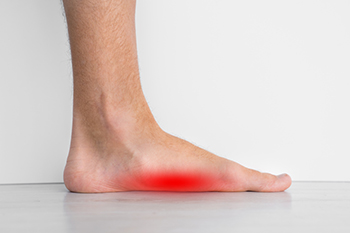
Flat feet, also known as pes planus, fallen arches, or posterior tibial tendon dysfunction, occur when the arch of the foot is low or absent. There are different types of flat feet. Flexible flat foot is where the arch appears when not bearing weight but flattens when standing. Rigid flat foot is where the arch remains flattened at all times. Symptoms include pain along the inside of the arch, heel, or ankle, along with fatigue during activity. Causes and risk factors include genetics, tendon weakness, injury, and aging. Without proper support, discomfort can increase. A podiatrist can evaluate foot structure, recommend supportive footwear or orthotics, and provide treatment to improve comfort and function. If you have flat feet, it is suggested that you consult a podiatrist who can offer effective relief and management tips.
Flatfoot is a condition many people suffer from. If you have flat feet, contact Amir Shalev, DPM from Complete Foot & Ankle Care. Our doctor will treat your foot and ankle needs.
What Are Flat Feet?
Flatfoot is a condition in which the arch of the foot is depressed and the sole of the foot is almost completely in contact with the ground. About 20-30% of the population generally has flat feet because their arches never formed during growth.
Conditions & Problems:
Having flat feet makes it difficult to run or walk because of the stress placed on the ankles.
Alignment – The general alignment of your legs can be disrupted, because the ankles move inward which can cause major discomfort.
Knees – If you have complications with your knees, flat feet can be a contributor to arthritis in that area.
Symptoms
- Pain around the heel or arch area
- Trouble standing on the tip toe
- Swelling around the inside of the ankle
- Flat look to one or both feet
- Having your shoes feel uneven when worn
Treatment
If you are experiencing pain and stress on the foot you may weaken the posterior tibial tendon, which runs around the inside of the ankle.
If you have any questions, please feel free to contact our office located in Las Vegas, NV . We offer the newest diagnostic and treatment technologies for all your foot care needs.
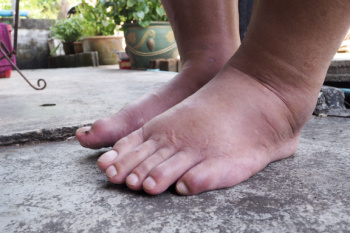
Swelling in the feet or ankles may be more than a discomfort and may signal an underlying health concern. This condition, known as edema, occurs when excess fluid collects in the body’s tissues. It causes the skin to appear puffy, tight, or shiny. Swelling can develop after injuries, such as ankle sprains, fractures, or muscle strains, because the body sends fluid to protect and repair damaged structures. Long periods of standing, pregnancy, and poor circulation can also contribute to fluid buildup in the lower limbs. Swollen feet also may be linked to conditions involving the heart, kidneys, or liver that affect how the body manages fluids. Symptoms include pain, stiffness, reduced ankle movement, or difficulty walking. A podiatrist can assess the cause of swelling by examining foot structure, joint motion, and circulation. Treatment options include supportive devices, footwear changes, or further testing. If you notice unusual or painful swelling in the feet or ankles, it is suggested that you make an appointment with a podiatrist.
Swollen feet can be a sign of an underlying condition. If you have any concerns, contact Amir Shalev, DPM of Complete Foot & Ankle Care. Our doctor can provide the care you need to keep you pain-free and on your feet.
Swollen feet are a common ailment among pregnant women and people who stand or sit for extended periods. Aging may increase the possibility of swollen feet and patients who are obese often notice when their feet are swelling too. There may be medical reasons why swollen feet occur:
- Phlebitis - A condition that causes the veins to become inflamed and can also cause leg pain.
- Liver disease - This may lead to low blood levels of albumin which is a protein. This can cause fluid in the blood to pass into the tissues and several areas of the body can become swollen.
- Heart failure - When the heart doesn’t pump properly the blood that is normally pumped back to the heart can pool in the veins of the legs causing swollen feet.
- Kidney disease - One of the main functions of the kidneys is releasing excess fluid in the body. This type of condition can make it difficult for the kidneys to function properly, and as a result the feet may become swollen.
- Deep-vein thrombosis (DVT)- This is a serious condition where blood clots form in the veins of the legs. They can block the return of blood from the legs to the heart which may cause the feet to swell. It is important to be treated by a podiatrist if this condition is present.
Swollen feet can also be caused by bone and tendon conditions, including fractures, arthritis, and tendinitis. Additionally, there may be skin and toenail conditions and an infection may cause the feet to swell. Patients who take medicine to treat high blood pressure may be prone to getting swollen feet.
Many patients elevate their feet to help relieve the swelling and this is generally a temporary remedy. When a podiatrist is consulted the reason behind the swelling can be uncovered and subsequently treated.
If you have any questions please contact our office located in Las Vegas, NV . We offer the newest diagnostic and treatment technologies for all your foot and ankle needs.

Painful deformities, such as hammertoes, can be treated. Stop living with foot pain, and have beautiful feet again!
