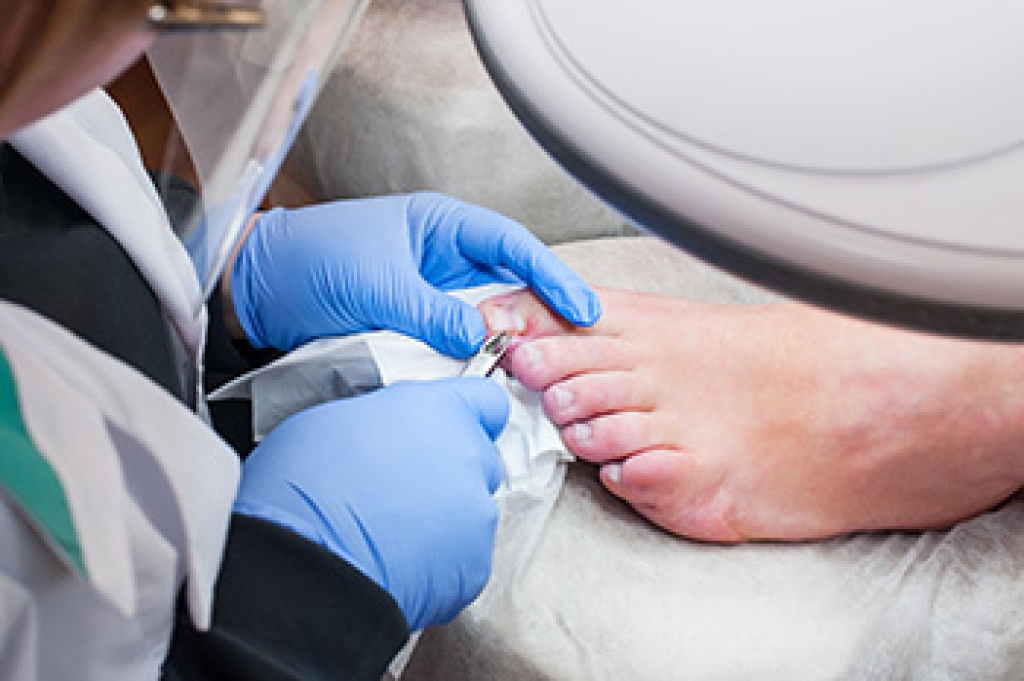
When a toenail grows into the surrounding skin and causes ongoing pain, foot surgery can provide lasting relief. This problem usually affects the big toe and can make even short walks uncomfortable. As the ingrown toenail presses deeper into the skin, the area becomes red, tender, and difficult to touch. Drainage or repeated infections may return after temporary improvement. When the condition continues or keeps coming back, a podiatrist can examine the toe, explain the cause, and determine whether surgery is the best treatment. Surgery removes the part of the nail causing the problem, and in some cases, the entire nail is removed. A podiatrist also decides whether to treat the area where the toenail grows to help prevent the ingrown toenail from coming back.
Before recommending surgery, the podiatrist reviews your health history and examines the toe carefully. This helps in choosing the treatment that offers the best chance for healing, while also reducing the risk of future problems. Ingrown toenail surgery is usually performed with a local anesthetic, which numbs the toe while the patient remains awake. The procedure generally takes only a few minutes, and most patients return home the same day. Depending on the condition of the toe, the podiatrist removes part of the nail or the entire nail. Medication can be used to prevent the troublesome section of the nail from growing back.
Recovery includes protecting the treated toe and following the podiatrist's instructions carefully. Mild discomfort, swelling, and tenderness are expected while the area heals. Like any procedure, surgery includes possible risks. These include bleeding, infection, and scarring. In some cases, the ingrown toenail returns and another procedure becomes necessary. Most patients experience significant relief once healing is complete and can return to normal daily activities after their podiatrist says it is safe. If you have an extremely painful ingrown toenail, it is suggested that you schedule an appointment with a podiatrist to see if surgery is the right choice for you.
Foot surgery is sometimes necessary to treat a foot ailment. To learn more, contact Amir Shalev, DPM of Complete Foot & Ankle Care. Our doctor will assist you with all of your foot and ankle needs.
When Is Surgery Necessary?
Foot and ankle surgery is generally reserved for cases in which less invasive, conservative procedures have failed to alleviate the problem. Some of the cases in which surgery may be necessary include:
- Removing foot deformities like bunions and bone spurs
- Severe arthritis that has caused bone issues
- Cosmetic reconstruction
What Types of Surgery Are There?
The type of surgery you receive will depend on the nature of the problem you have. Some of the possible surgeries include:
- Bunionectomy for painful bunions
- Surgical fusion for realignment of bones
- Neuropathy decompression surgery to treat nerve damage
Benefits of Surgery
Although surgery is usually a last resort, it can provide more complete pain relief compared to non-surgical methods and may allow you to finally resume full activity.
Surgical techniques have also become increasingly sophisticated. Techniques like endoscopic surgery allow for smaller incisions and faster recovery times.
If you have any questions, please feel free to contact our office located in Las Vegas, NV . We offer the newest diagnostic and treatment technologies for all your foot care needs.
