Items filtered by date: April 2026
Plantar Warts Can Be Treated!

Plantar warts are small growths that develop on parts of the feet that bear weight. They're typically found on the bottom of the foot. Don't live with plantar warts, and call us today!
Peripheral Neuropathy and the Feet
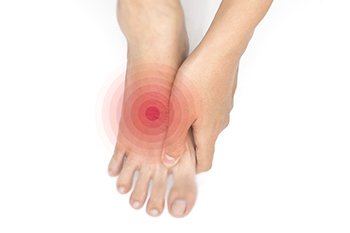
Peripheral neuropathy affects the nerves in the feet, often leading to unusual sensations that can develop gradually. Patients may notice burning, tingling, numbness, or a pins and needles feeling, especially in the toes or soles. The skin may appear normal, but the loss of sensation can make it difficult to detect injuries, increasing the risk of unnoticed wounds. Some individuals also experience sharp or shooting pain, particularly at night. Common causes include diabetes, nerve compression, certain medications, or underlying medical conditions that affect nerve health. A podiatrist can evaluate nerve function through a detailed exam and may recommend additional testing to determine the cause. Treatment focuses on managing symptoms, protecting the feet, and improving nerve health with medication, supportive footwear, and targeted exercises. Early attention is important to prevent complications. If you have symptoms of peripheral neuropathy, it is suggested that you make an appointment with a podiatrist.
Neuropathy
Neuropathy can be a potentially serious condition, especially if it is left undiagnosed. If you have any concerns that you may be experiencing nerve loss in your feet, consult with Amir Shalev, DPM from Complete Foot & Ankle Care. Our doctor will assess your condition and provide you with quality foot and ankle treatment for neuropathy.
What Is Neuropathy?
Neuropathy is a condition that leads to damage to the nerves in the body. Peripheral neuropathy, or neuropathy that affects your peripheral nervous system, usually occurs in the feet. Neuropathy can be triggered by a number of different causes. Such causes include diabetes, infections, cancers, disorders, and toxic substances.
Symptoms of Neuropathy Include:
- Numbness
- Sensation loss
- Prickling and tingling sensations
- Throbbing, freezing, burning pains
- Muscle weakness
Those with diabetes are at serious risk due to being unable to feel an ulcer on their feet. Diabetics usually also suffer from poor blood circulation. This can lead to the wound not healing, infections occurring, and the limb may have to be amputated.
Treatment
To treat neuropathy in the foot, podiatrists will first diagnose the cause of the neuropathy. Figuring out the underlying cause of the neuropathy will allow the podiatrist to prescribe the best treatment, whether it be caused by diabetes, toxic substance exposure, infection, etc. If the nerve has not died, then it’s possible that sensation may be able to return to the foot.
Pain medication may be issued for pain. Electrical nerve stimulation can be used to stimulate nerves. If the neuropathy is caused from pressure on the nerves, then surgery may be necessary.
If you have any questions, please feel free to contact our office located in Las Vegas, NV . We offer the newest diagnostic and treatment technologies for all your foot care needs.
Causes of Toe Deformities
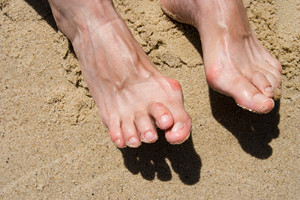
Toe deformities are structural changes that alter the normal position of the toes. Common examples include hammertoe, mallet toe, and claw toe. These conditions often develop as a result of long-term pressure from tight or narrow shoes. Muscle imbalance can also play a role. This occurs when some muscles and tendons become tighter or weaker than others, pulling the toe joints into abnormal positions. Nerve damage may reduce control of toe movement and lead to joint changes. Foot injuries, joint disease, poor circulation, and inherited foot shape can also contribute. Changes in foot mechanics, such as flat feet or bunions, may increase strain on the toes. A podiatrist can examine the foot, evaluate joint movement, and identify the cause. Treatment includes supportive devices, padding, or procedures to improve alignment and reduce discomfort. If you have a toe deformity that is causing discomfort, it is suggested that you make an appointment with a podiatrist.
Toe pain can disrupt your daily activities. If you have any concerns, contact Amir Shalev, DPM of Complete Foot & Ankle Care. Our doctor can provide the care you need to keep you pain-free and on your feet.
What Causes Toe Pain?
Most severe toe pain is caused due to a sports injury, trauma from dropping something heavy on the toe, or bumping into something rigid. Other problems can develop over time for various reasons.
Toe pain can be caused by one or more ailments. The most common include:
- Trauma
- Sports injury
- Wearing shoes that are too tight
- Arthritis
- Gout
- Corns and calluses
- Hammertoe
- Bunions
- Blisters
- Ingrown toenails
- Sprains
- Fractures (broken bones)
- Dislocations
When to See a Podiatrist
- Severe pain
- Persistent pain that lasts more than a week
- Signs of infection
- Continued swelling
- Pain that prevents walking
Diagnosis
In many cases the cause of toe pain is obvious, but in others, a podiatrist may want to use more advanced methods to determine the problem. These can range from simple visual inspections and sensation tests to X-rays and MRI scans. Prior medical history, family medical history, and any recent physical traumatic events will all be taken into consideration for a proper diagnosis.
Treatment
Treatments for toe pain and injuries vary and may include shoe inserts, padding, taping, medicines, injections, and in some cases, surgery. If you believe that you have broken a toe, please see a podiatrist as soon as possible.
If you have any questions please contact our office located in Las Vegas, NV . We offer the newest diagnostic and treatment technologies for all your foot and ankle needs.
